
People searching for the best peptides for weight loss are usually looking for a ranking. Research does not offer one. It offers groups of compounds that copy different hormone signals, tested in trials of different sizes, and sold under different rules. This guide explains how these compounds work, how strong the evidence is for each, and which are prescription medicines, which are still being tested, and which are research chemicals. It describes research only and is not advice for any person.
How Do GLP-1 Peptides Actually Make People Eat Less?
GLP-1 is a hormone the gut releases after a meal. A 2024 review in Frontiers in Endocrinology explains that GLP-1 and a second gut hormone, GIP, help regulate food intake by acting on the satiety center of the brain, the area that signals fullness. According to Wikipedia, gut hormones of this kind also slow how fast food leaves the stomach, which keeps a meal in place longer. The compounds in this group are made to copy these hormones, so they send the fullness signal more strongly and for longer.
A small controlled study shows what this looks like at the table. In a 2017 crossover trial of 30 adults with obesity, 12 weeks of semaglutide led to a 24 percent lower total energy intake across free-choice meals, compared with placebo. Participants also reported less hunger and fewer food cravings, better control of eating, and a lower preference for high-fat foods. Resting metabolic rate, adjusted for lean body mass, did not differ, and the 5.0 kg average weight loss came mostly from fat mass. In plain terms, the effect was about eating less, not about burning more.
A 2025 review in Medicina Clinica adds that GLP-1-based medicines act on several parts of obesity biology besides food intake, including fat tissue, insulin resistance, and inflammation. The tirzepatide mechanism guide covers the dual GIP and GLP-1 action in more detail.
How Do Peptides for Weight Loss Work?
A peptide is a short chain of amino acids, the building blocks of proteins. The body makes many peptides as messengers, and weight loss research copies them. A 2025 review in the International Journal of Obesity explains that a better understanding of weight regulation and of the gut-brain axis, the two-way signaling between the gut and the brain that influences appetite, led to treatments built on gut and pancreas hormones. The same review says combinations of GLP-1 with GIP, glucagon, and amylin are now under investigation. Each signal below is paired with what the main trials report. Every figure is a trial average against placebo, in a different group and over a different length of time, so the figures are not a scoreboard.
- GLP-1 alone (semaglutide). In a 68-week trial of 1,961 adults with obesity and without diabetes, the average weight change was a 14.9 percent loss on semaglutide and 2.4 percent on placebo, with lifestyle support for both groups.
- GIP and GLP-1 together (tirzepatide). In a 72-week trial of 2,539 adults, the average loss at the highest amount tested was 20.9 percent, compared with 3.1 percent on placebo.
- GIP, GLP-1, and glucagon (retatrutide). Wikipedia explains that activating the glucagon receptor is described as raising energy use and promoting fat loss. In an 80-week phase 3 trial of 2,339 adults published in 2026, the average loss at the highest amount was 25.0 percent, compared with 3.9 percent on placebo.
- Amylin (cagrilintide). Amylin is a hormone that helps regulate fullness. In a 68-week phase 3 trial of 3,417 adults, cagrilintide combined with semaglutide produced an average loss of 20.4 percent, compared with 3.0 percent on placebo.
- Glucagon with GLP-1 (survodutide). In a 46-week phase 2 trial of 387 adults without diabetes, the average loss at the highest amount tested was 14.9 percent, compared with 2.8 percent on placebo.
- Other routes. Some compounds work through the growth hormone pathway or the brain’s melanocortin appetite pathway instead. Tesamorelin and setmelanotide were tested in narrow groups, and AOD-9604 did not show enough effect in later trials, as the table further down shows.
For a closer look at individual compounds, see the retatrutide explainer, the cagrilintide guide, and the survodutide guide.
See also: Why Appetite Is a Bigger Research Puzzle Than Anyone Expected
What the Evidence Actually Says, Graded by Strength
Not all evidence weighs the same. The strongest kind is several large randomized trials, where people are assigned by chance to a compound or a placebo so the groups can be compared fairly. A 2026 network meta-analysis in the BMJ pooled 262 trials with 99,791 participants and graded how certain each result is using the GRADE method. The table below follows the same idea in plain words.
| Grade | What it rests on | Compounds in this guide | What it means |
|---|---|---|---|
| Strong | Large randomized trials, with moderate to high certainty in the BMJ analysis | Tirzepatide, semaglutide, cagrilintide with semaglutide | The weight results are well supported, and so are the common side effects |
| Moderate and growing | Large trials reported, but short follow-up | Retatrutide, survodutide | Results look large, but long-term safety is still being built up |
| Limited | Small, narrow, or disappointing human trials | Tesamorelin, setmelanotide, AOD-9604 | Tested in specific conditions, or did not show enough effect |
| Early | Lab studies, or no human weight loss trial found | 5-amino-1MQ, SLU-PP-332, MOTS-c | Interesting biology, but no human proof of weight loss |
In the BMJ analysis, which searched up to November 2025, retatrutide and two other emerging agents were reported as possibly producing similar or greater weight reductions, but only with low-certainty evidence at best. Phase 3 results for retatrutide have been published since then, which is why it sits in the moderate and growing row.
See also: The Molecule With Three Jobs
Prescription, Investigational, and Research Chemical Status
The same word, peptide, covers several different groups. The groups below are sorted by how each is regulated.
| Group | Examples | Status | Human weight evidence |
|---|---|---|---|
| Prescription for weight management | Semaglutide, tirzepatide, liraglutide | Approved by the FDA for adults with obesity, or with overweight plus a weight-related condition, and used with a prescription | Large randomized trials |
| Prescription for a narrow use | Tesamorelin, setmelanotide | Tesamorelin is approved for HIV-associated lipodystrophy. Setmelanotide is approved for obesity from rare genetic conditions. | Trials only in those conditions |
| Investigational | Retatrutide, survodutide, cagrilintide | Still in clinical trials. The FDA says retatrutide and cagrilintide cannot be used in compounding and have not been found safe and effective for any condition. | Phase 3 trials reported or under way |
| Research chemical | AOD-9604, MOTS-c, 5-amino-1MQ, SLU-PP-332 | Labeled for laboratory research, with no approval for any use | No human weight loss trials, or trials that did not show enough effect |
Many people report using these compounds without problems, but self-reports are not controlled studies and cannot show how common problems are or what was in the vial.
The FDA has also commented on research-labeled versions of prescription compounds. Its page, current as of October 1, 2026, says it has warned companies that sold drugs containing semaglutide, tirzepatide, retatrutide, survodutide, or mazdutide labeled for research purposes while selling them directly to consumers with dosing instructions. It describes such products as being of unknown quality. The FDA also says drugs sold this way can contain the wrong ingredient, or too little, too much, or none of the active ingredient. A 2024 study in the Journal of Medical Internet Research found something similar in semaglutide bought from illegal online pharmacies. All three vials that arrived were judged probable substandard or falsified, with measured purity of 7.7 to 14.37 percent against a claimed 99 percent, and endotoxin, a bacterial contaminant, in every sample.
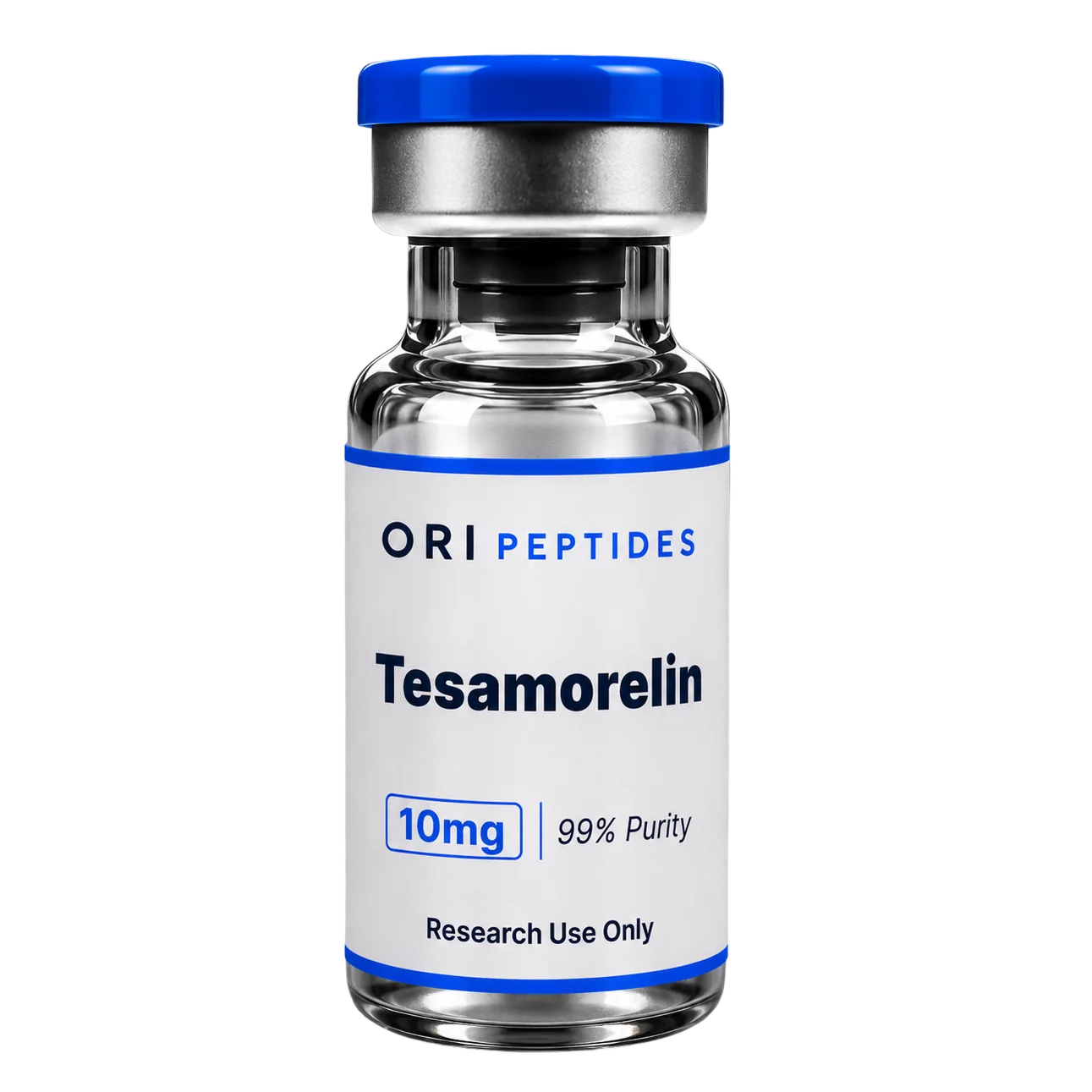
HORMONE THERAPY
Tesamorelin
Side Effects of Peptides for Weight Loss
The record comes from trials and from regulator reports. It is not a prediction for any person.
- Stomach effects. Nausea, vomiting, diarrhea, constipation, and abdominal pain are the most common in the trials above. A 2025 review in Gastroenterology of 55 trials found that the compounds raised the risk of gallstones (2 more cases per 1,000) and acid reflux (4 more per 1,000), with little or no effect on other stomach and bile events. In an earlier analysis of 13 weight loss trials, the risk of gallbladder or biliary disease was higher still (relative risk 2.29).
- Stopping treatment. In the 2022 tirzepatide trial, stopping because of side effects occurred in 2.6 percent on placebo and up to 7.1 percent in the tirzepatide groups. In the BMJ analysis, larger benefits generally came with greater harms and more stopping.
- Muscle. A 2024 review reports that lean mass loss ranged from 40 to 60 percent of total weight lost in some studies and 15 percent or less in others. Lean mass includes organs, bone, and water as well as muscle. The BMJ analysis found that tirzepatide reduced fat mass the most and also lean mass the most.
- Weight regain. A 2025 meta-analysis found that weight regained after stopping was proportional to weight lost, averaging 9.69 kg after semaglutide or tirzepatide.
- Special warnings. According to Wikipedia, the US prescription label for semaglutide carries a boxed warning for thyroid tumors, based on lab findings, and the compound is contraindicated in people with a personal or family history of medullary thyroid carcinoma or a rare condition called MEN 2. NIDDK advises never taking weight management medication during pregnancy or when planning one.
- Heart rate and blood sugar. In the retatrutide phase 2 trial, heart rate rose, peaked at 24 weeks, and then declined. In a tesamorelin trial, fasting glucose rose at 2 weeks.
- Products from outside the prescription system. The FDA received 990 reports of adverse events tied to compounded semaglutide and more than 730 tied to compounded tirzepatide as of May 31, 2026, including dosing errors that needed hospital care. It says these are likely under-reported. For research chemicals with no human weight loss trials, there is no safety record to read.
See the guides on retatrutide side effects and tirzepatide side effects for more of what the literature reports.
See also: Semaglutide Dosage and Reconstitution for Research
Is There a Best Peptide for Weight Loss?
Research does not name one, and the best-built comparison explains why. In the BMJ analysis, compared with lifestyle change alone at one year, tirzepatide and cagrilintide with semaglutide each gave about a 15 percent average weight loss with moderate to high certainty, and subcutaneous semaglutide gave about 10 percent. Subcutaneous semaglutide was also the only drug linked to lower all-cause death and fewer heart attacks, although those estimates came largely from trials in people at high heart risk. The authors conclude that larger benefits generally come with greater harms and more stopping, and that choices should weigh trade-offs.
So the answer depends on what is measured. One compound leads on average weight change, another on heart outcomes, and the side effect profiles differ. The retatrutide vs tirzepatide comparison and the semaglutide vs tirzepatide comparison lay out two of these side by side. For compounds with no human weight loss trial, such as AOD-9604, SLU-PP-332, and MOTS-c, the question cannot be asked yet.
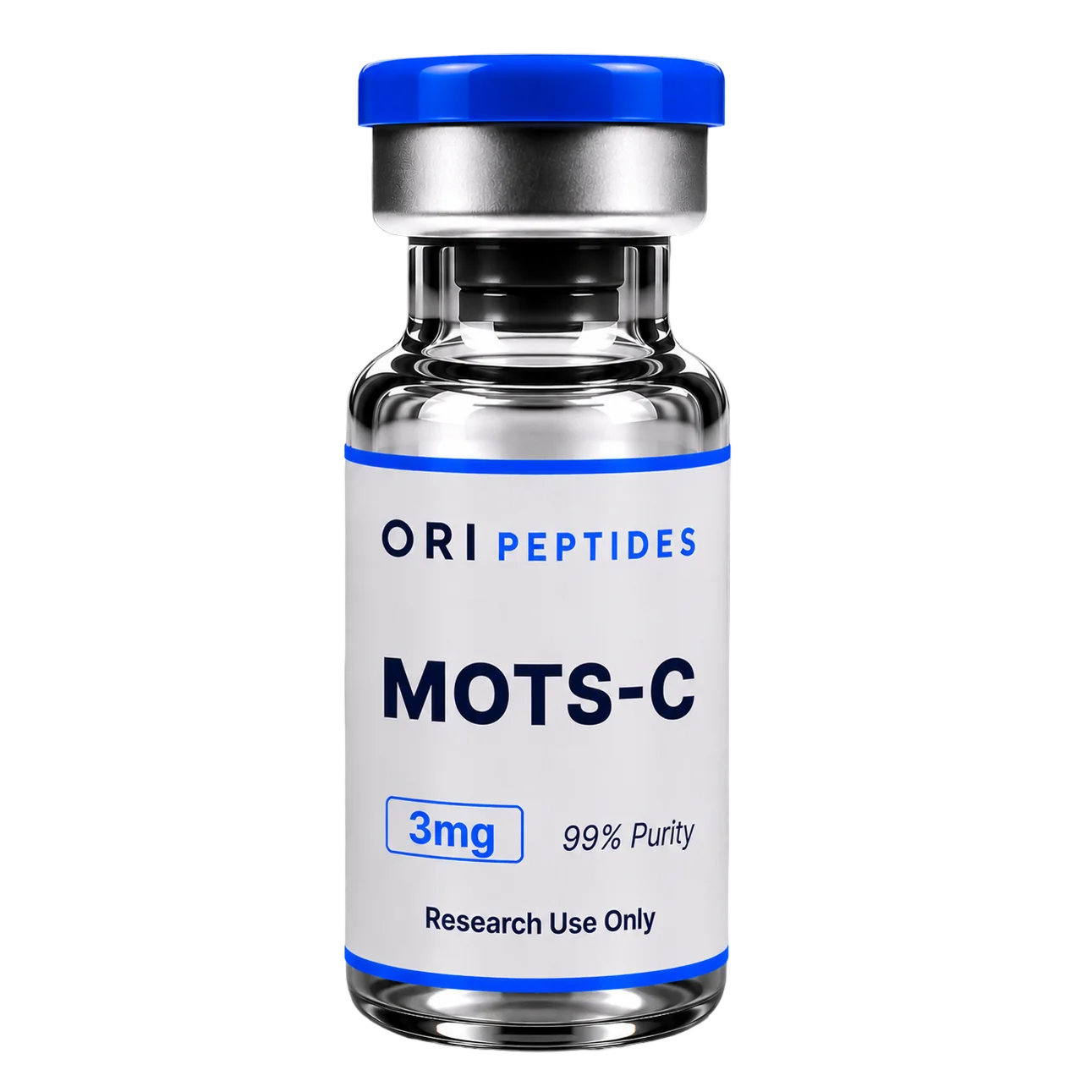
ANTI-AGING
MOTS-c
Who Is Eligible for GLP-1 Peptide Injections for Weight Loss?
Eligibility comes from regulators and prescribing guidance, not from a website questionnaire. This section describes that guidance. It is not advice for any person, and it does not apply to research material.
According to NIDDK, a health care professional may prescribe a weight management medication to an adult with a body mass index of 30 or greater, or 27 or greater with weight-related health problems such as high blood pressure or type 2 diabetes. Body mass index, or BMI, is weight in kilograms divided by height in meters squared. The large semaglutide and tirzepatide trials enrolled adults using the same two thresholds.
NIDDK adds that these medicines are not for everyone with a high BMI, and that a lifestyle program may help some people lose weight without medication. It also says medication does not replace healthy eating and physical activity. For children, NIDDK says the FDA has approved four weight management medications from age 12, including liraglutide and semaglutide, and a fifth for ages 6 and older with rare genetic causes of obesity.
Some people are advised against the class. Examples are a personal or family history of medullary thyroid carcinoma or MEN 2, and pregnancy or planning pregnancy. Choosing a medication is a decision between a person and a health care professional, who weighs benefits, side effects, other medicines, family history, and cost. The FDA says the prescription should be filled at a state-licensed pharmacy.
Frequently Asked Questions
What are the best peptides for weight loss?
Research does not name one. Tirzepatide, semaglutide, and cagrilintide with semaglutide have the strongest weight evidence, but each leads on different measures and has its own side effects.
Are all weight loss peptides prescription medicines?
No. Some are prescription medicines, some are still in clinical trials, and some are research chemicals with no human weight loss trial. The table above sorts them.
Do GLP-1 peptides burn fat or just reduce appetite?
In a 2017 crossover trial, semaglutide reduced energy intake by 24 percent, and resting metabolic rate did not differ. The weight loss came from eating less, mostly from fat mass.
Does weight come back after stopping?
A 2025 meta-analysis found that regained weight was proportional to weight lost, averaging 9.69 kg after semaglutide or tirzepatide stopped.
Is AOD-9604 or MOTS-c a proven weight loss peptide?
No. According to Wikipedia, AOD-9604 development was halted after a later 24-week trial showed poor efficacy. The searches for this article found no published human weight loss trial of MOTS-c.
How can I tell what is in a vial?
A label alone does not prove identity or purity. Research material should come with an independent Certificate of Analysis and the supplier’s handling sheet.
Key Takeaways
- GLP-1 compounds work mainly on appetite. In one controlled trial, energy intake fell by 24 percent while resting metabolic rate did not change.
- The strongest evidence is for tirzepatide, semaglutide, and cagrilintide with semaglutide. Retatrutide and survodutide are newer and still building long-term data.
- The word peptide covers prescription medicines, compounds still in trials, and research chemicals, and each group is regulated differently.
- No single best peptide exists. Averages, heart outcomes, and side effects point to different compounds.
- Stomach effects, gallstones, muscle loss, and weight regain after stopping are the main open issues, and vial identity and purity cannot be taken from a label.
Research Use Disclaimer
This content is provided for Research Use Only (RUO). The compounds discussed are not drugs, dietary supplements, foods, or cosmetics, and are not intended for human or animal consumption, diagnostic use, or therapeutic use of any kind. They have not been evaluated by the FDA for safety or efficacy in humans. Any research use must be conducted by qualified professionals in a controlled laboratory environment, in accordance with all applicable institutional, local, and federal regulations.
Sources
- Melson E, et al. What is the pipeline for future medications for obesity? Int J Obes (Lond). 2025.
- Wikipedia contributors. Incretin. Wikipedia, The Free Encyclopedia.
- Liu QK. Mechanisms of action and therapeutic applications of GLP-1 and dual GIP/GLP-1 receptor agonists. Front Endocrinol (Lausanne). 2024.
- Blundell J, et al. Effects of once-weekly semaglutide on appetite, energy intake, control of eating, food preference and body weight in subjects with obesity. Diabetes Obes Metab. 2017.
- Salvador J, et al. GLP-1-based medications, mechanisms involved in obesity treatment. Med Clin (Barc). 2025.
- Wilding JPH, et al. Once-weekly semaglutide in adults with overweight or obesity. N Engl J Med. 2021.
- Jastreboff AM, et al. Tirzepatide once weekly for the treatment of obesity. N Engl J Med. 2022.
- Jastreboff AM, et al. Triple-hormone-receptor agonist retatrutide for obesity, a phase 2 trial. N Engl J Med. 2023.
- Jastreboff AM, et al. Retatrutide, a triple hormone receptor agonist, for treatment of obesity. N Engl J Med. 2026.
- Wikipedia contributors. Retatrutide. Wikipedia, The Free Encyclopedia.
- Garvey WT, et al. Coadministered cagrilintide and semaglutide in adults with overweight or obesity. N Engl J Med. 2025.
- le Roux CW, et al. Glucagon and GLP-1 receptor dual agonist survodutide for obesity, a randomised, double-blind, placebo-controlled, dose-finding phase 2 trial. Lancet Diabetes Endocrinol. 2024.
- Nong K, et al. Comparative effects of drugs for adults with overweight or obesity, systematic review and network meta-analysis. BMJ. 2026.
- National Institute of Diabetes and Digestive and Kidney Diseases. Prescription medications to treat overweight and obesity. NIDDK, National Institutes of Health.
- U.S. Food and Drug Administration. FDA’s concerns with GLP-1 drugs used for weight loss. FDA Drug Alerts and Statements. Content current as of October 1, 2026.
- Wikipedia contributors. Semaglutide. Wikipedia, The Free Encyclopedia.
- Wikipedia contributors. Tesamorelin. Wikipedia, The Free Encyclopedia.
- Wikipedia contributors. Setmelanotide. Wikipedia, The Free Encyclopedia.
- Wikipedia contributors. AOD9604. Wikipedia, The Free Encyclopedia.
- Stanley TL, et al. Effect of tesamorelin on visceral fat and liver fat in HIV-infected patients with abdominal fat accumulation, a randomized clinical trial. JAMA. 2014.
- Chiang CH, et al. Glucagon-like peptide-1 receptor agonists and gastrointestinal adverse events, a systematic review and meta-analysis. Gastroenterology. 2025.
- He L, et al. Association of glucagon-like peptide-1 receptor agonist use with risk of gallbladder and biliary diseases, a systematic review and meta-analysis of randomized clinical trials. JAMA Intern Med. 2022.
- Berg S, et al. Discontinuing glucagon-like peptide-1 receptor agonists and body habitus, a systematic review and meta-analysis. Obes Rev. 2025.
- Neeland IJ, et al. Changes in lean body mass with glucagon-like peptide-1-based therapies and mitigation strategies. Diabetes Obes Metab. 2024.
- Ashraf AR, et al. Multifactor quality and safety analysis of semaglutide products sold by online sellers without a prescription, market surveillance, content analysis, and product purchase evaluation study. J Med Internet Res. 2024.
- Dieli-Conwright CM, et al. Effect of aerobic and resistance exercise on the mitochondrial peptide MOTS-c in Hispanic and non-Hispanic White breast cancer survivors. Sci Rep. 2021.
- Babula JJ, et al. Nicotinamide N-methyltransferase inhibition mitigates obesity-related metabolic dysfunction. Diabetes Obes Metab. 2024.
Explore the weight loss research category for related research compounds.