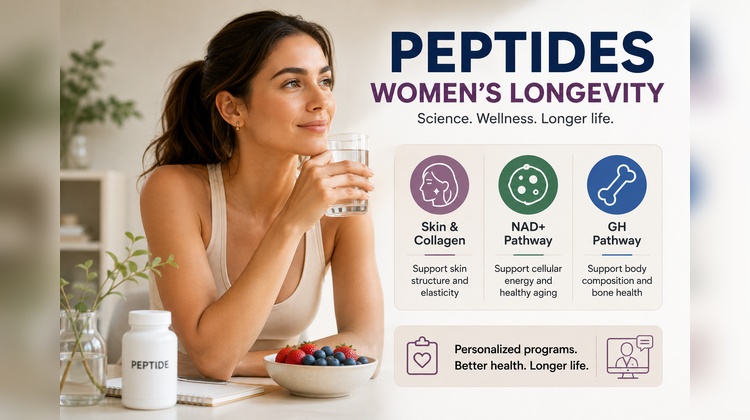
Peptides are short chains of amino acids, the building blocks that make up proteins, and for years the people most interested in researching them were mostly men focused on athletic performance and body composition. That has changed. Over the past couple of years, peptides have started showing up in a different conversation, one centered on women’s longevity and wellness. Much of that shift has been driven by telehealth platforms, meaning healthcare services delivered online, and longevity clinics that focus specifically on healthy aging, neither of which existed in their current form five years ago.
A Shift From Niche to Mainstream
This shift is worth paying attention to, because it says less about any single compound and more about how the whole category of peptide research is being introduced to a much wider group of people.
Why This Shift Is Happening Now
- Telehealth caught up. Longevity-focused telehealth platforms, meaning services that connect people with healthcare providers remotely, built the systems needed to bring research-related compounds into structured wellness programs. That kind of organized setup did not really exist before.
- Longevity research broadened its focus. Early longevity science leaned heavily toward performance and simply living longer, and that framing appealed mostly to a male, biohacker audience, with biohackers being people who experiment on their own bodies to try to optimize how they function. As the science matured, it naturally expanded into topics that matter more in women’s health research, like bone density, skin structure, and hormonal changes across different life stages.
- Mainstream wellness culture caught up too. Ingredients that used to live only in research circles, like NAD+, collagen peptides, and growth hormone pathway compounds, became familiar enough to everyday wellness audiences that longevity platforms could introduce them without needing to explain the underlying science from scratch.
The Categories Getting the Most Attention
Skin-Structure Peptides
Collagen-stimulating peptides already have the most name recognition, thanks to years of appearing in skincare marketing. That makes them a familiar starting point into the wider world of peptide research for a wellness-focused audience.
NAD+ Pathway Compounds
NAD+, short for nicotinamide adenine dinucleotide, is a molecule every cell in the body uses to produce energy and carry out repairs. It and the compounds related to it are frequently discussed in longevity research in connection with cellular aging, the gradual wear and tear that happens inside cells over time. The NAD+ peptide research covers this in more depth, and it is a topic that comes up often in longevity-focused wellness content, regardless of who the audience is.
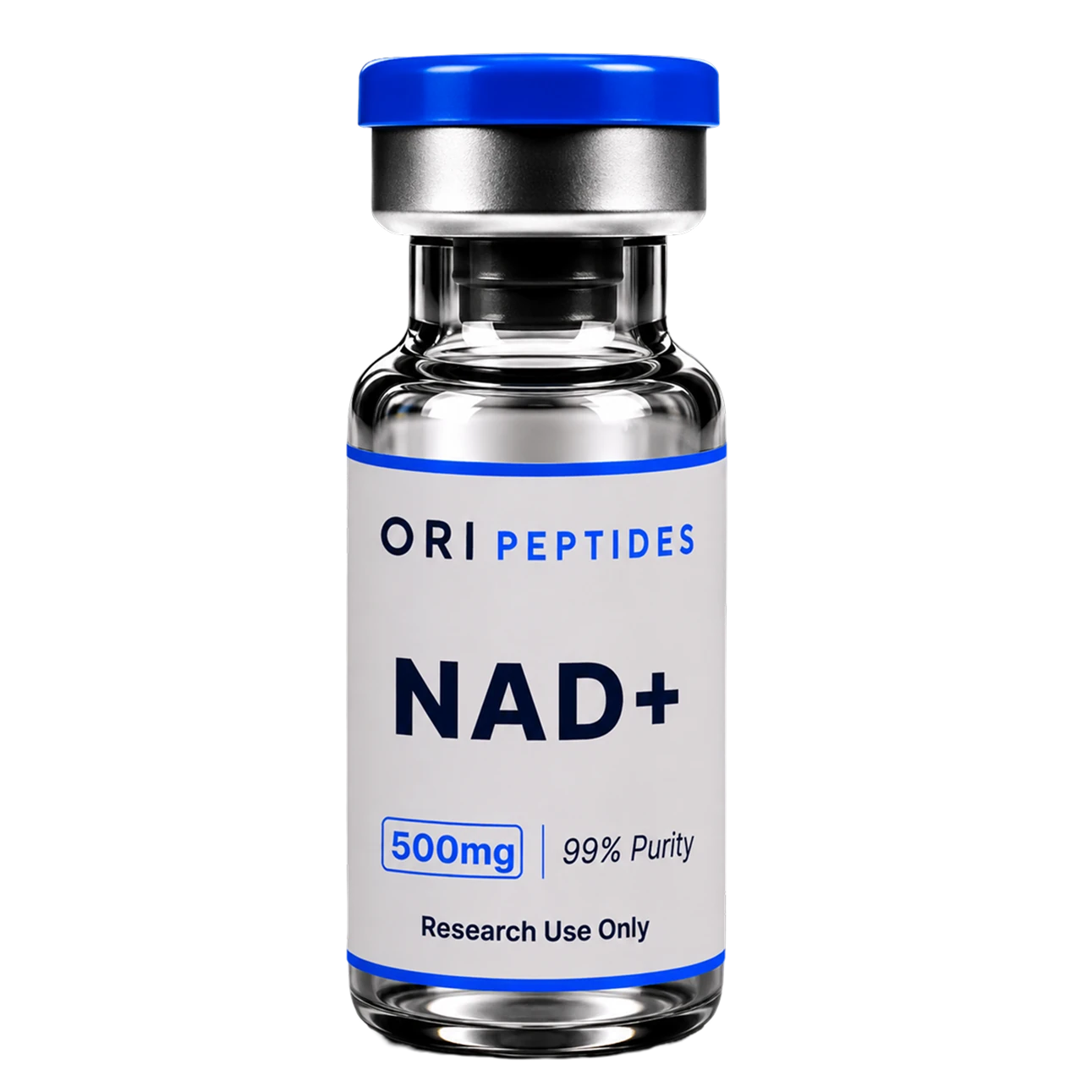
Anti-Aging
NAD+
Pharmaceutical-grade research NAD+, third-party tested above 99% purity and produced in a cGMP facility, for cellular aging research.
Growth Hormone Pathway Peptides
Compounds in this category get attention for their connection to body composition and bone density research, both of which come up frequently in women’s health and aging content specifically.
What Is Different About This Wave
The earlier wave of peptide interest, driven mostly by biohackers, was largely self-directed. Individuals researched compounds on their own and acted on that research themselves. The women’s longevity wave looks different. It is happening mostly through structured platforms, meaning telehealth services and longevity clinics that act as a go-between, connecting the research to the individual.
That is a meaningful change for the category as a whole. It suggests the audience for peptide-related longevity content is no longer limited to people already deep in biohacker research culture. It now includes people encountering these ideas for the first time through a structured wellness program rather than independent research.
What This Means Going Forward
Whether this trend keeps growing depends heavily on how well the underlying science holds up under scrutiny from a much larger, more mainstream audience than this category has faced before. The shift itself is already well underway: peptides are moving from a niche performance conversation into a mainstream longevity conversation, with women’s health as a primary driver, and it is reshaping who the audience for this entire category actually is.
This content is provided for Research Use Only (RUO). The compounds discussed are not drugs, dietary supplements, foods, or cosmetics, and are not intended for human or animal consumption, diagnostic use, or therapeutic use of any kind. They have not been evaluated by the FDA for safety or efficacy in humans. Any research use must be conducted by qualified professionals in a controlled laboratory environment, in accordance with all applicable institutional, local, and federal regulations.
FAQ
What does NAD+ have to do with longevity research?
NAD+ is involved in how cells produce energy and carry out repairs, and levels of it are known to decline with age, which is why it comes up often in aging-related research.
Are these compounds approved for use in people?
No. None of the compounds discussed here are approved by the FDA or any other health authority for human or animal use. They are sold for laboratory research only.
Why is women’s health research getting more attention in this space now?
Longevity science has broadened beyond its early focus on performance and lifespan, and telehealth platforms and longevity clinics have built the infrastructure to bring these topics to a wider audience, including areas more central to women’s health research.
Is doing independent research the same as going through a telehealth platform or clinic?
No. They are two different paths. A platform or clinic acts as a go-between, while independent research means an individual is working directly with the material themselves.
Related reading covers the growth hormone pathway compounds mentioned above in more depth: What Is Ipamorelin, Benefits, Dosage and Reconstitution, Semaglutide Dosage and Reconstitution for Research, and Tesamorelin Dosage, Benefits and Safety Guide.